



















Utsav Yoga

utsav
instudio
- Utsav Unlimited – Get Access to every day studio Based Classes and online Content.
- Aerial Fit- Enjoy Daily studio based Yoga Classes.

utsav
LIVE (ONLINE YOGA)
- Attend Live Group Classes at time of your choice.
- Access hundreds of Recorded classes and Courses.
utsav
PERSONAL TRAINING
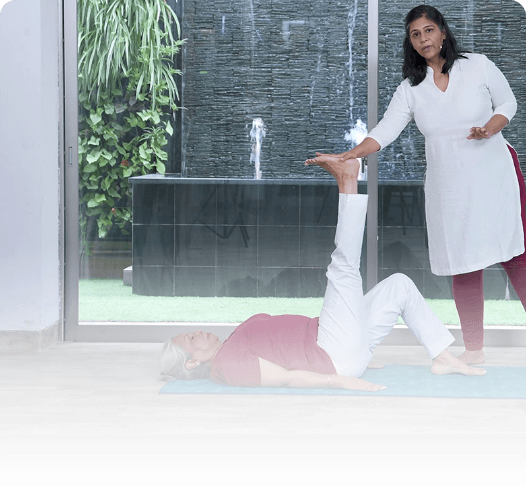
- At Home Yoga with experienced trainers working as per your goals and time.
- Unlimited Access to online content.
What's New at Utsav
Courses

30 Day Yoga Weight Loss Challenge By Priyanka Koli for Beginner And Intermediate
30 Classes |
12 Hr 53 Min
Course
Unwind - Evening Flow Yoga With Riya for Beginner And Intermediate
7 Classes |
4 Hr 50 Min
Course
Yin Yoga Essentials for Beginner And Intermediate
4 Classes |
3 Hr 58 Min
Course
Ritucharya – Yoga For Seasonal Shifts for Beginner And Intermediate
6 Classes |
2 Hr 23 Min
Course

Emotional Detox – Release And Let Go! for Beginner And Intermediate
5 Classes |
2 Hr 12 Min
Course
Vinyasa Yoga for Beginner And Intermediate
5 Classes |
4 Hr 37 Min
Course

Energizing Hatha Yoga for Beginner And Intermediate
5 Classes |
4 Hr 38 Min
Course
Navsadhak: A Beginner’s Program for Beginner
5 Classes |
2 Hr 38 Min
Course

30 Min Yoga Flows for Beginner And Intermediate
10 Classes |
4 Hr 51 Min
Course
Beginner Yoga For Chakra Awakening for Beginner And Intermediate
14 Classes |
6 Hr 37 Min
Course
On-Demand Classes

Vinyasa Yoga Volume 5 for Beginner And Intermediate
1 Hr 31 Sec
On Demand Video
Vinyasa Yoga Volume 4 for Beginner And Intermediate
1 Hr 1 Min 52 Sec
On Demand Video

Vinyasa Yoga Volume 3 for Beginner And Intermediate
54 Min 14 Sec
On Demand Video
Vinyasa Yoga Volume 2 for Beginner And Intermediate
47 Min 26 Sec
On Demand Video

Vinyasa Yoga Volume 1 for Beginner And Intermediate
55 Min 33 Sec
On Demand Video

Yin Yoga Volume 3 for Beginner And Intermediate
1 Hr 46 Sec
On Demand Video
Yin Yoga Volume 4 for Beginner And Intermediate
1 Hr 1 Min
On Demand Video
Yin Yoga Volume 2 for Beginner And Intermediate
57 Min 02 Sec
On Demand Video
Energizing Hatha Yoga Volume 5 for Beginner And Intermediate
1 Hr 2 Min 58 Sec
On Demand Video
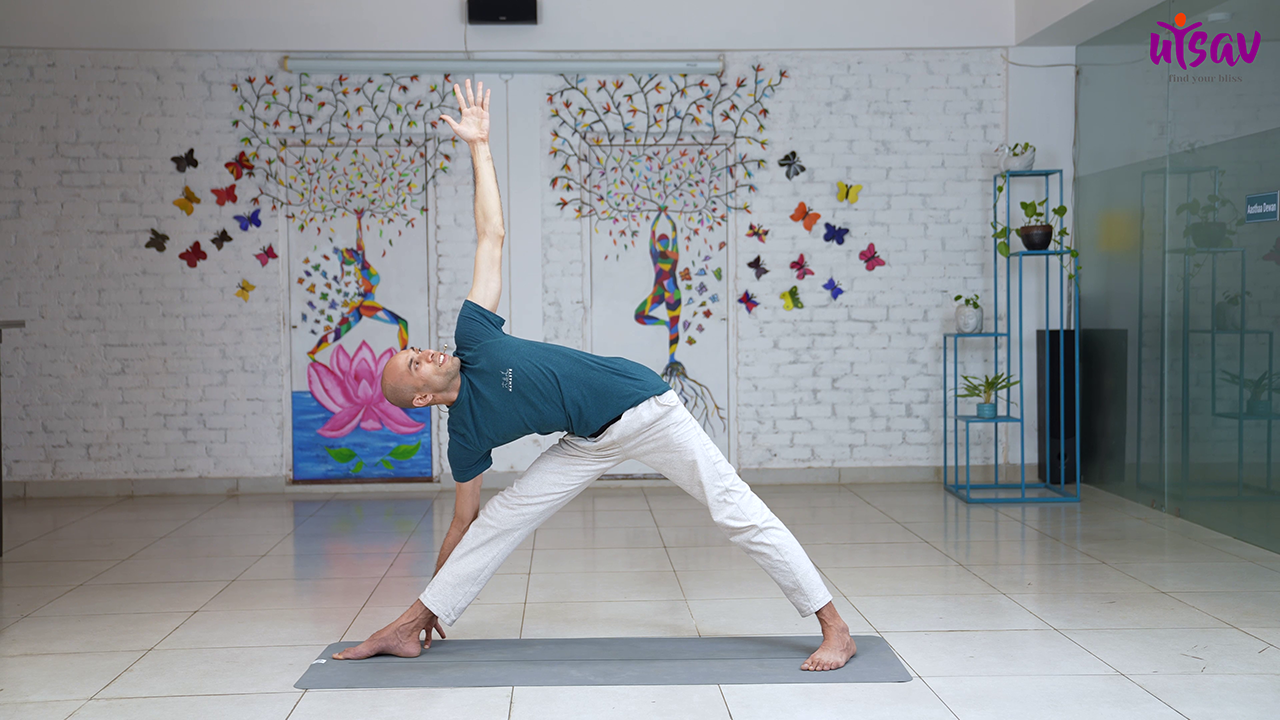
Energizing Hatha Yoga Volume 4 for Beginner And Intermediate
53 Min 33 Sec
On Demand Video
Meet Our Teachers

Deepak Thakkar
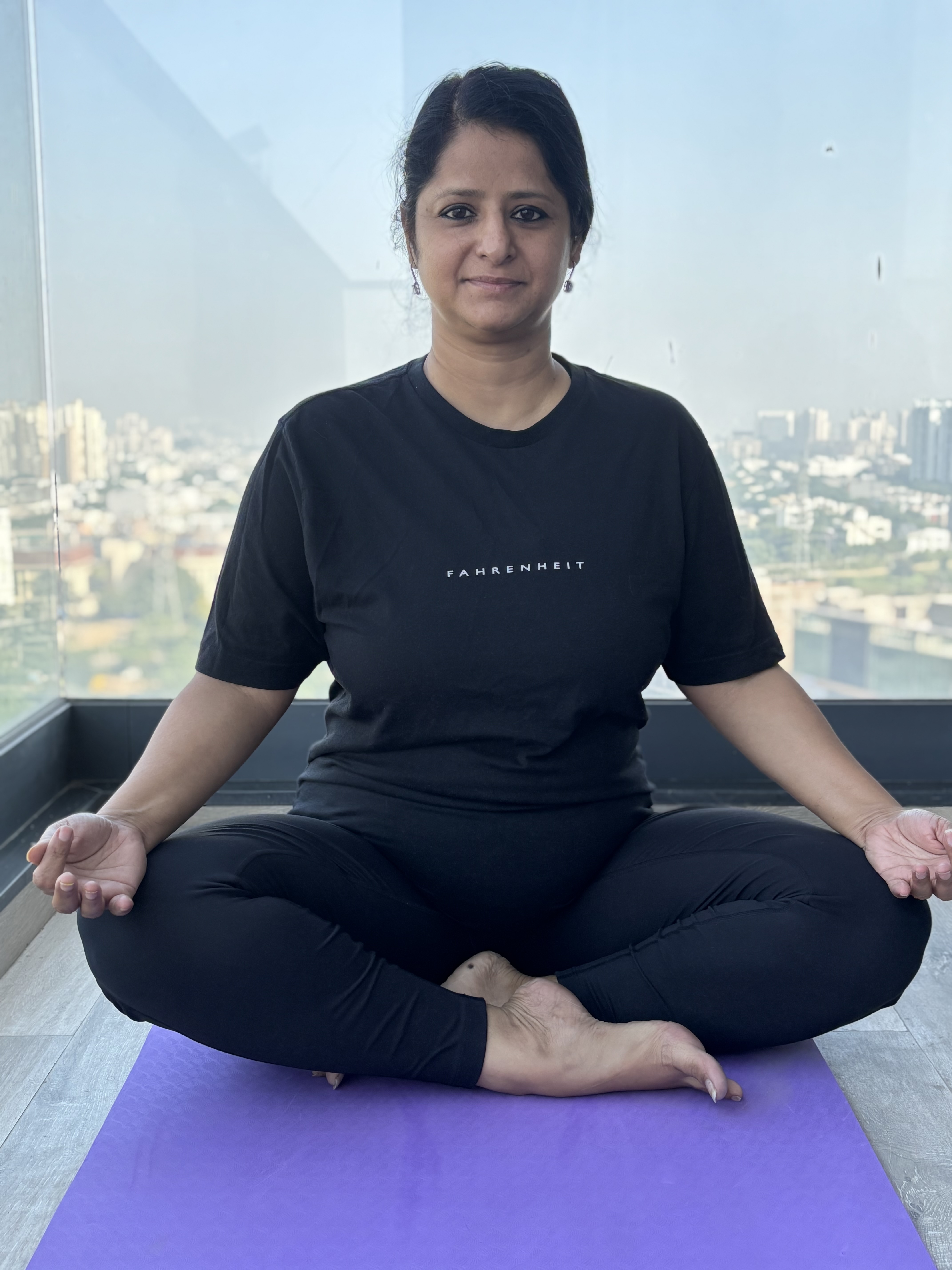
Yoga is an integral part of my being and my sense of lifestyle. Through yoga, I could find my purpose in life, and now I live every day to pass on this gift to all others who aspire to learn. I have completed the certification of the Registered Yoga Teacher 500 Hours Training Course in Hyderabad. I have been a yoga teacher for 7 years. I am as passionate about teaching as a new student is eager to learn. Yoga is a vast concept, but every day is new learning, and I am fortunate to pass on this to you all through my knowledge and experience.

Meghana Abhyankar
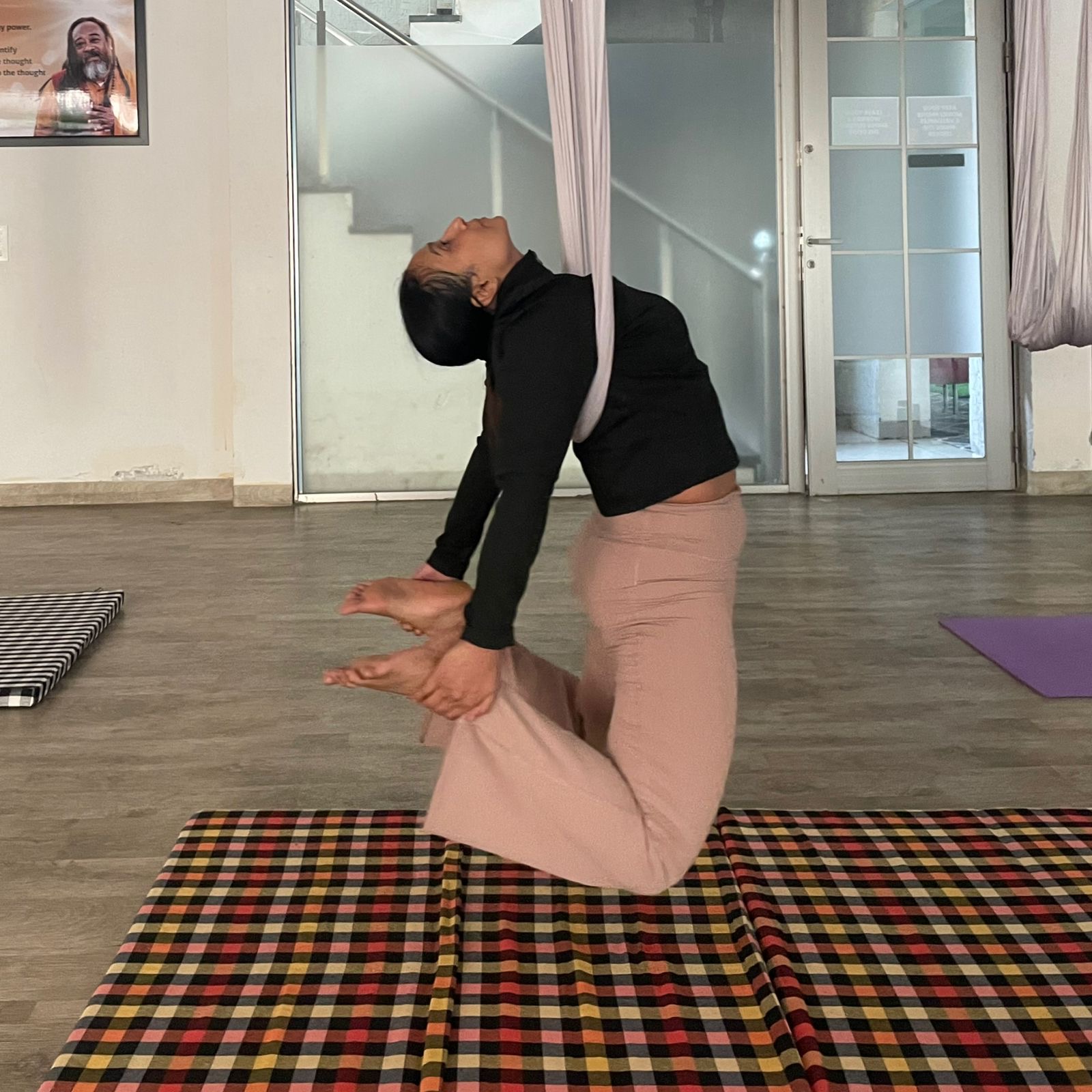
I am certified yoga and Aerial trainer. Let's come together and enjoy the journey of Anti-gravity Yoga.

Neha
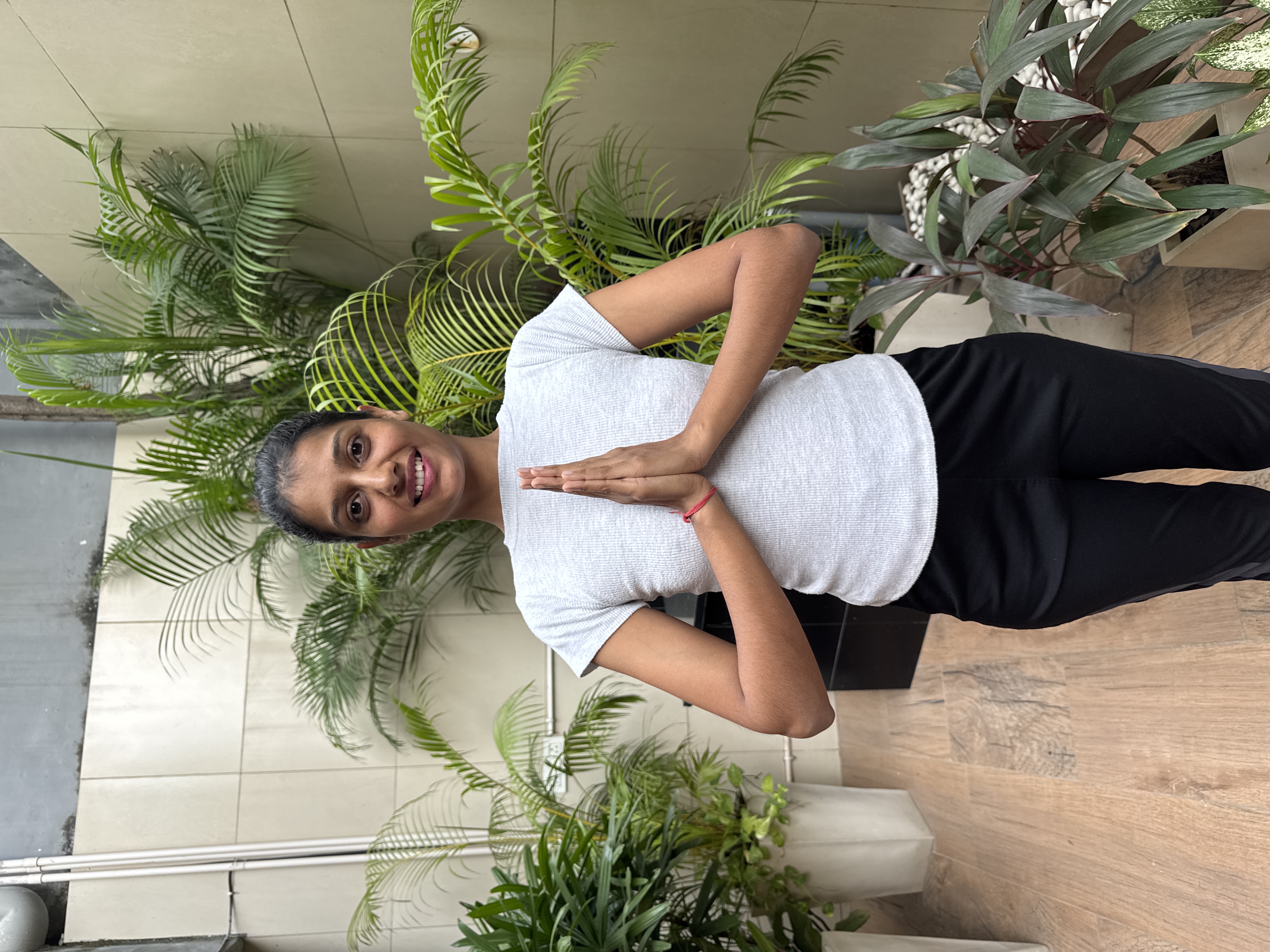
Neha’s love for movement and expression led her to experience Yoga, a deep spiritual form of Art for her. She then explored it further, completing 700 hours of TTC in Hatha Yoga over the next few years. She ultimately decided to quit her corporate career upon a moment of self-discovery to follow her passion to teach Yoga and share her journey with others. Neha has worked with major Health & Wellness brands like Cult Fit, Utsav & Yogami in managing fellow yogis, training and creating health & wellness content. As someone who has healed & transformed herself through Yoga, Reiki, Breathwork & Meditation, she believes in the science of Yoga and healing through it. With over 10 years of personal practice & teaching experience, Neha continues to spread her love of Yoga to people across the globe. Apart from Yoga, she has a passion for dance & cooking, enjoys traveling and exploring new places.
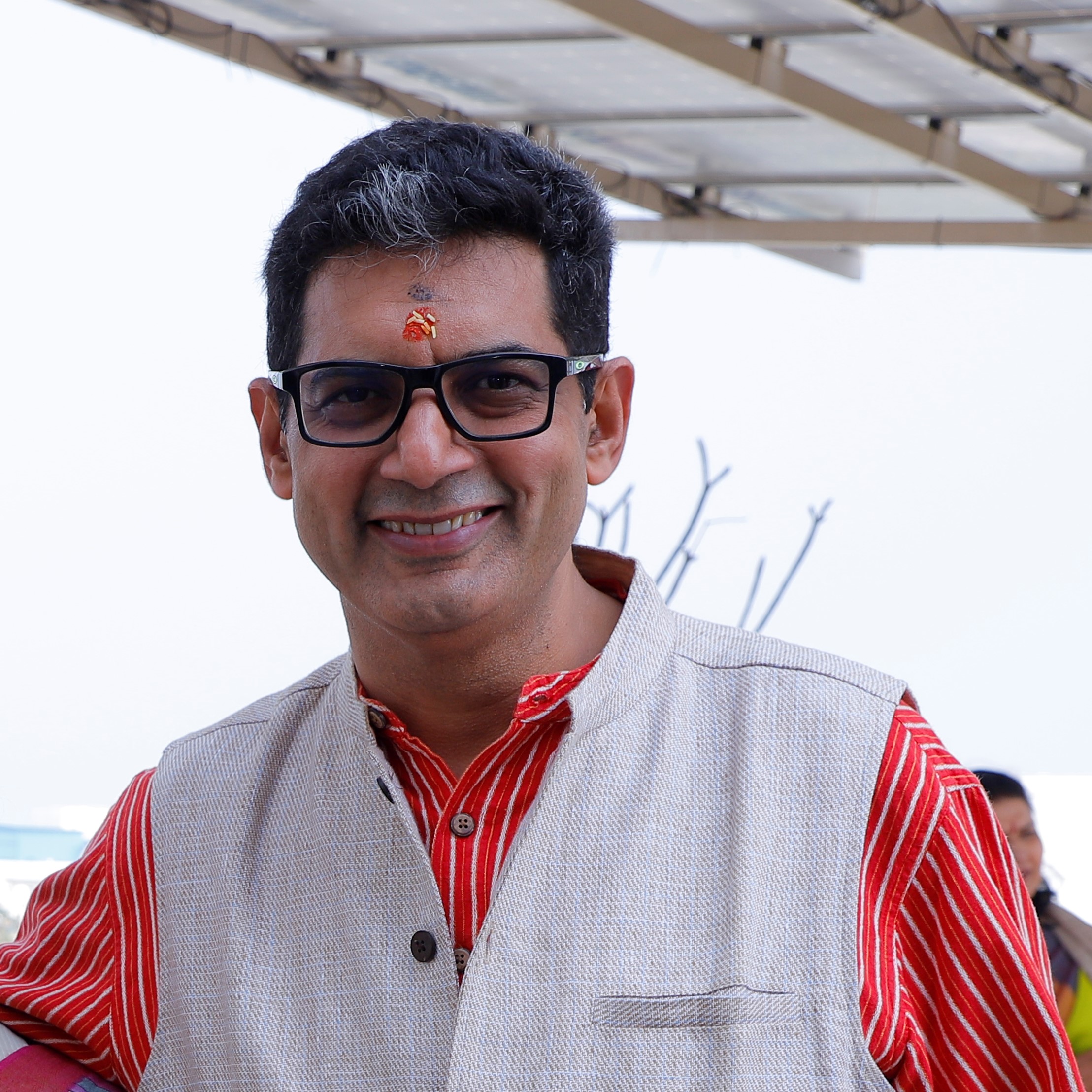
Viraj
Viraj is the founder of Utsav Yoga and PK Online, a successful digital media company.
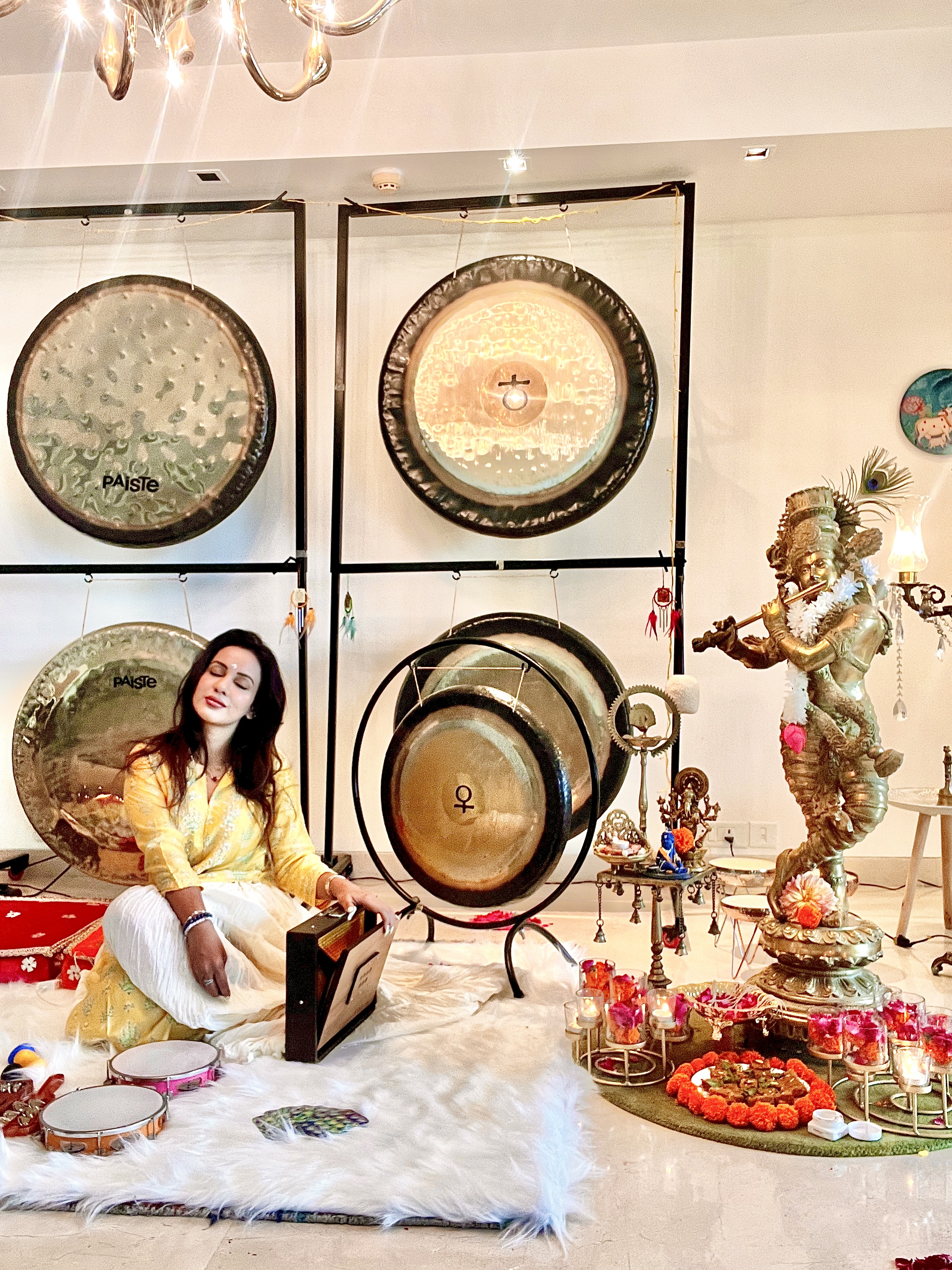
Sagrieka Mittal Ishqaa
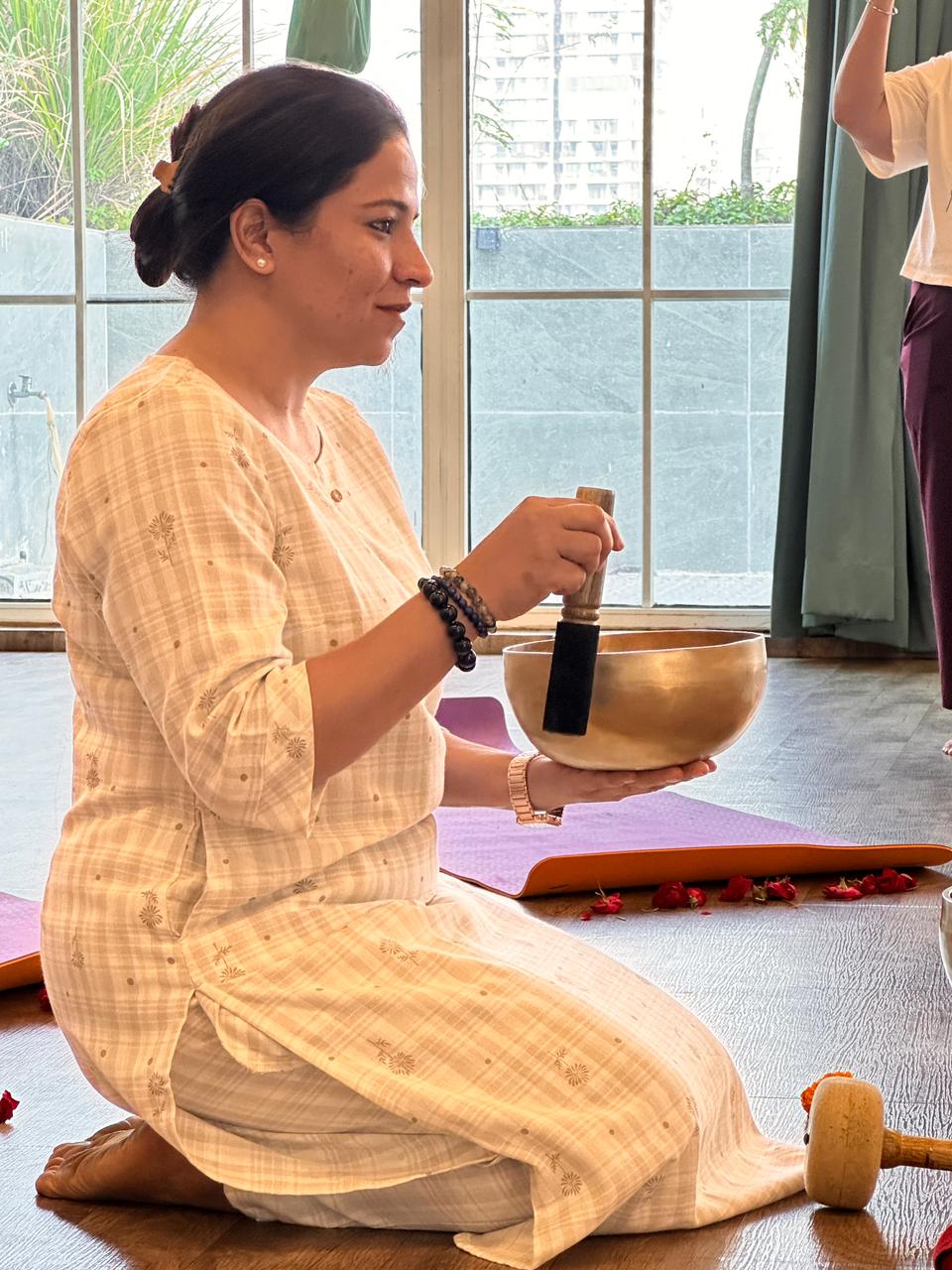
Sagrieka is a sound alchemist with a decade of experience, sharing healing through Tibetan bowls and gongs. A spiritual life coach, yogini, Vedic astrologer, and Sufi poet guiding hearts to DivineLove

Khushbu Chaudhary
Dr. Khushbu Chaudhary is a homoepathic physician and internationally certified prenatal and postnatal yoga trainer. The journey towards fitness and health brings me here for the working out more with females at there most crucial time of motherhood to help them be fit and healthy physically, mentally emotionally and spiritually.

Deevanshi Sardana
I am a 200-hour certified yoga instructor, trained under Utsav Yogadhaar and CCYWI Level 2 (Ministry of AYUSH). Passionate about sharing the transformative power of yoga, I guide others through mindful movement, breathwork, and holistic wellness practices.

Dr Gargee Shrimali
Dr. Gargee Sharma, BAMS graduate from the esteemed National Institute of Ayurveda, Jaipur, and holder of a PGDHM from IICT, Lucknow, boasts 14 years of clinical Ayurvedic expertise. Having served in esteemed organizations like Shathayu Ayurveda and Patanjali, she specializes in addressing dosha imbalances, lifestyle disorders, and chronic ailments such as asthma and PCOD. Dr. Sharma's approach integrates personalized medicines, Panchakarma therapies, yoga, and lifestyle modifications. She actively conducts camps and workshops, promoting Ayurveda's holistic approach to well-being. Her dedication to excellence and compassionate care solidify her reputation as a trusted authority in Ayurvedic medicine.

Vikas Joshi
Skilled and certified yoga instructor with the ability to build effective relationship with student of all background and skill level, hardworking, dedicated and supportive with excellent communication and problem solving abilities. Committed to helping student of all age and background unearth their healthies selves and discover inner peace. I have diploma and masters in Yogic science. And done yoga TTC from Rishikesh.
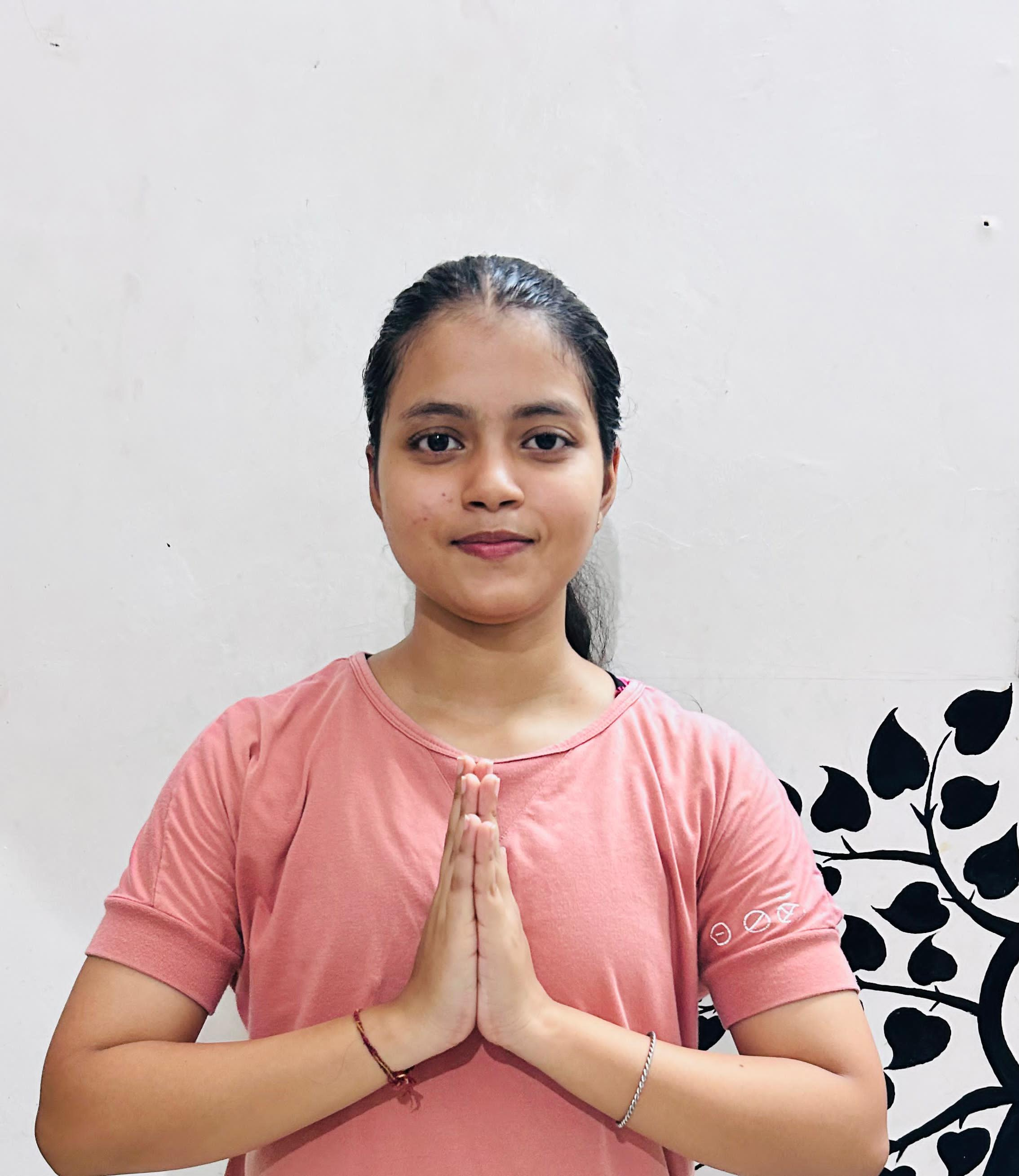
Naina
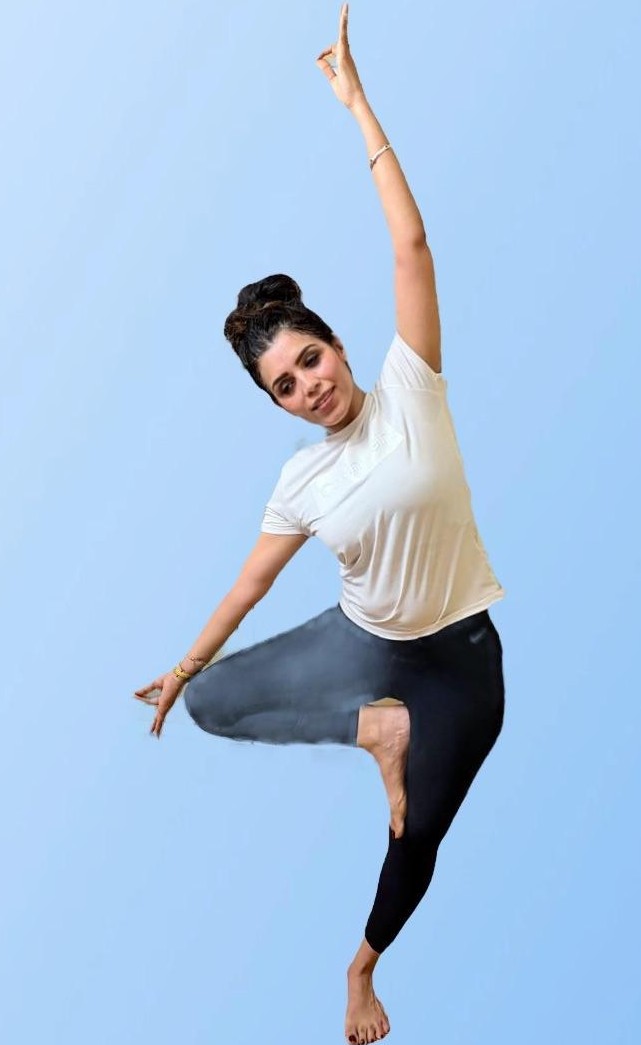
Namaste I am Naina,a certified yoga instructor with a passion for guiding students to find balance and strength. Specialising in ashtanga yoga , power yoga and mindfulness practices. Join me on the mat for a journey of self discovery and inner peace
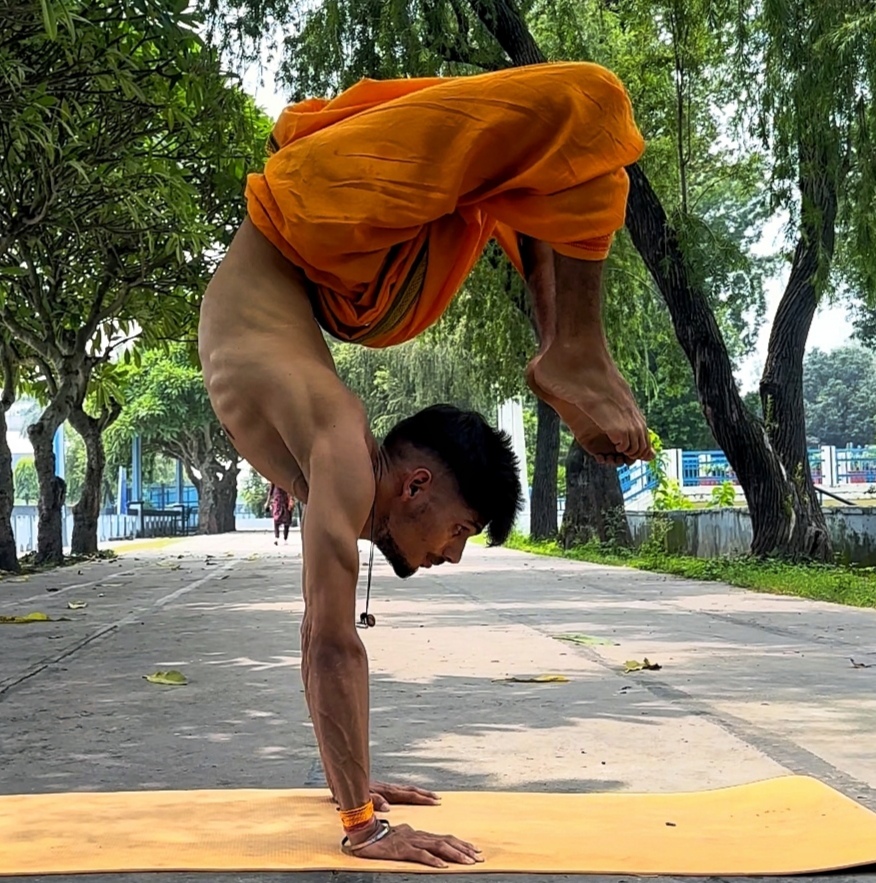
Mahesh Prasad Bhatt
Certified and experienced yoga instructor seeking to share my passion for yoga and help individuals improve their mental well - being through the practice of yoga . “Yoga is the perfect opportunity to be curious about who you are”

Radhika Gulati
Radhika is a licensed Zumba and Yoga instructor with 5 years of experience in guiding individuals towards physical and mental well-being. With a passion for fitness and wellness, Radhika has worked with numerous clients, helping them achieve their health goals through dynamic Zumba sessions and transformative Yoga practices. Radhika's teaching style is characterized by her infectious energy, patience, and dedication to helping her students achieve their full potential. With a focus on mindfulness, breathwork, and movement, Radhika's sessions are designed to nourish both body and soul. Whether you're looking to boost your energy, reduce stress, or simply find a sense of calm, Radhika's expert guidance will help you embark on a journey of self-discovery and wellness.
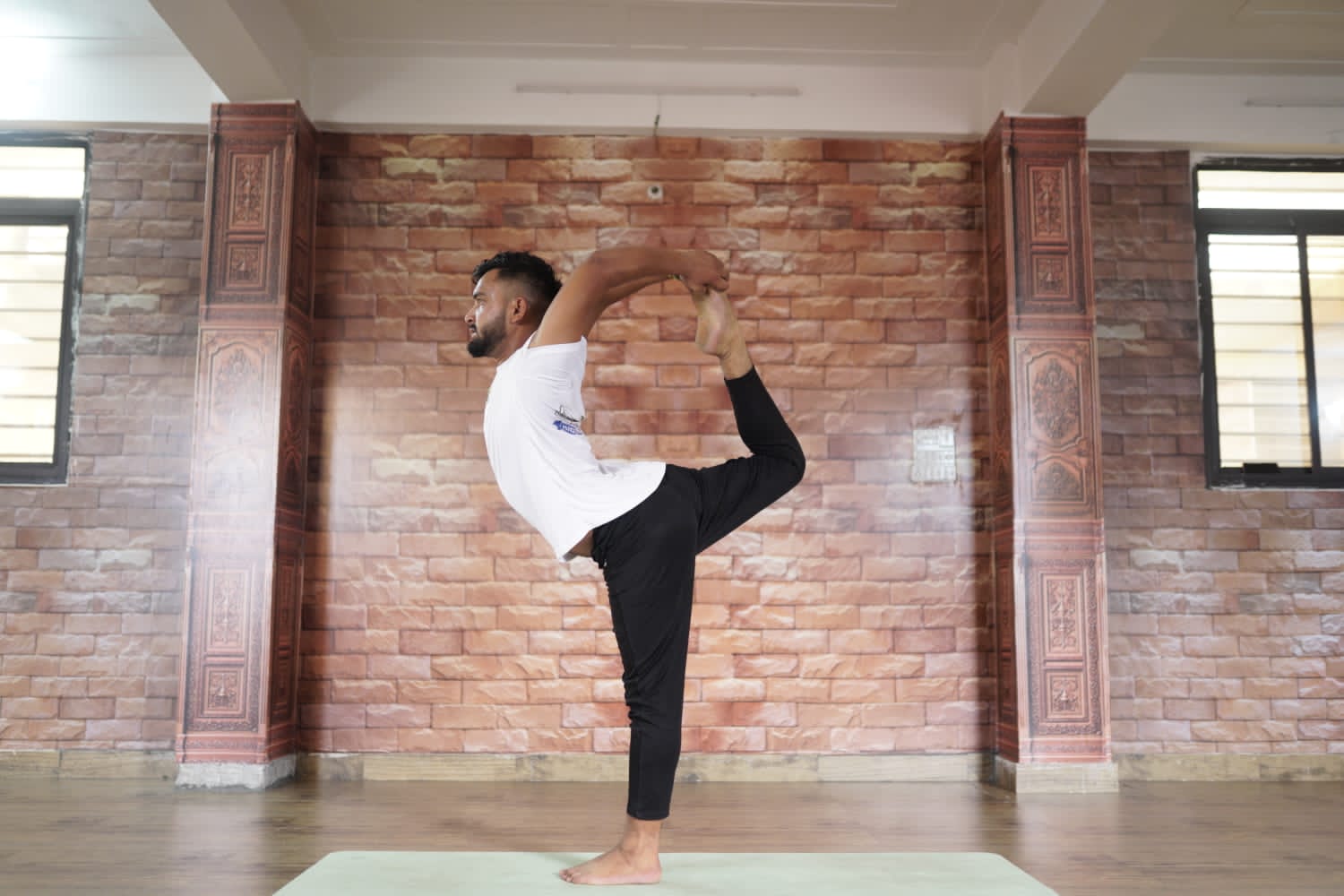
Pankaj
I am a dedicated yoga teacher with over five years of teaching experience. My practice focuses on mindful movement, correct alignment, and conscious breathing. I aim to help students build strength, flexibility, and inner awareness through yoga.

Shweta
Dedicated Yoga Trainer with a strong commitment to promoting physical, mental, and spiritual well-being. My approach blends breathwork, posture alignment, and meditation techniques to bring balance.
What our Members are saying?

Neetu Bajaj
Utsav yoga has a warm & comfortable environment & that too surrounded with friendly& knowledgeable yoga gurus, who make sure to make one feel comfortable & relaxed while practicing any form of yoga. I feel that apart from gaining strength and flexibility I've been able to connect my physical self with the emotional self.

Jyoti
I started going to utsav aerial yoga in September and have been going since then. I really enjoy the sessions. Aditi is very helpful and inspiring. She gets us to perform amazing aerial postures which I never thought I was capable of.

Urvashi Agarwal
Aerial classes conducted by Aditi are absolutely blissful, relaxing and invigorating at the same time. She pays equal attention to everyone, always tries her best to get everyone as close to the shown posture as possible. She'll always lift you up, physically and metaphorically to make you feel more confident about getting into relatively hard postures.

Mausam Bharti
The studio is near to my house. It has amazing space and interior is beautiful. They provide all the yoga equipments too. Above all most importantly yoga instructors are very supportive and very down to earth.

Ankita Rathore
Amazing! Big space , hygienic,positive atmosphere and the instructor is very attentive. Ensures that we are properly doing each pose and that we are getting the maximum out of the class.After yoga I have observed my internal breathing issue is being reduced as well as anxiety issues.

Shivani
Utsav Yoga is great! Wonderful teacher, beautiful space, and a variety of classes that are perfect for busting the stress out of life. Jeet’s expert knowledge of body movement, various tips & techniques to improve flexibility & his attention to detail and amazing energy make for a great instructor! I had my best yoga experience here.

Aashu Khare
It is a wonderful experience for me have UTSAV Online Classes. I am enjoying it like a UTSAV in my Life.

Vivek Khanna
UTSAV Yoga has helped me reduce the body and increase my energy and flexibility upto a great extent. The best part about UTSAV yoga is everyday its new.

Pooja Chaudhary
I've been doing Online Yoga with Utsav and felt difference in my health and mental peace and Yoga has major role in my life.
Shop
View AllBlogs
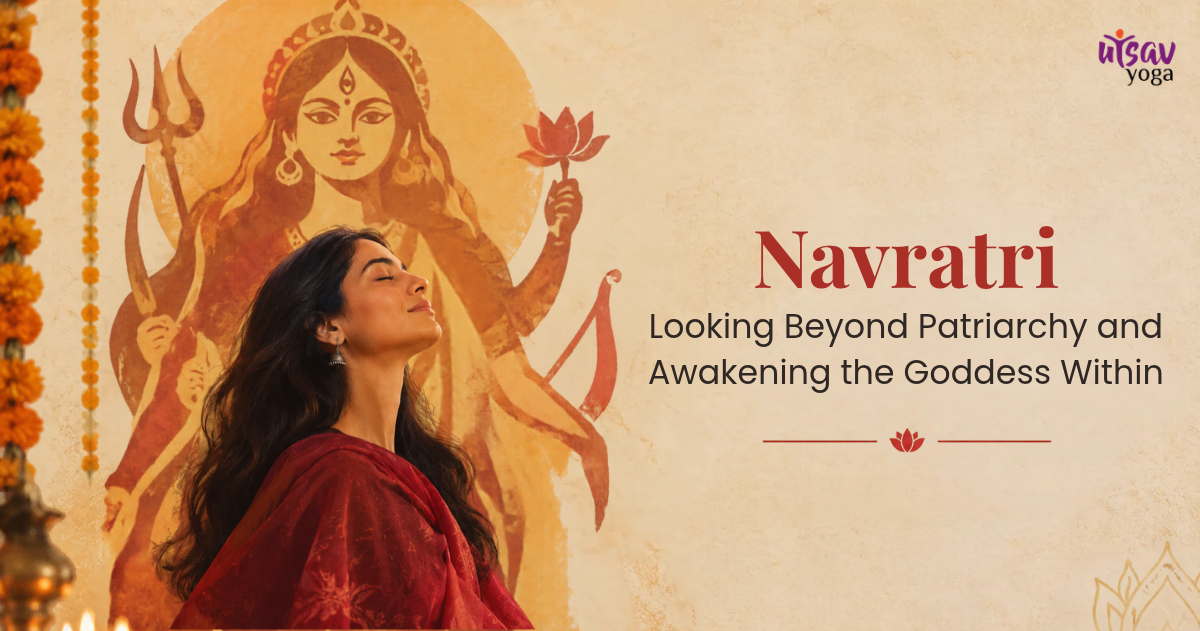
Navratri: Looking Beyond Patriarchy and Awakening the Goddess Within
Navratri is a great reminder that we need to look at the patriarchal system in our social structure as well as in our own personal structure. Let us first look at the social structure. India today continues to be, in many ways, a male-dominated society. We tend to value certain traits associated with masculinity, such as power, dominance and aggression. These traits are often celebrated as signs of strength and success, and we see them playing out in our social, professional and even personal lives. Even within the family structure, fathers have traditionally been considered the head of the family. Property, inheritance and decision-making have largely favoured men in many communities. It was only in 2005 that the Hindu Succession Act was amended to strengthen daughters’ equal rights in ancestral coparcenary property. Of course, there are exceptions. There are communities and regions in India where women have traditionally enjoyed greater autonomy and a different position within the family. But, by and large, patriarchy continues to influence our social and cultural structures, particularly in parts of North India. However, I think there is another dimension to this issue that we often overlook. Patriarchy is not just a social structure. It is also a personal structure. If we look at ourselves as individuals, each of us has different qualities within us. We have the capacity for logic as well as intuition, aggression as well as compassion, action as well as receptivity. But what are the qualities we consciously choose to develop? We tend to value power, control, logic and the ability to dominate. We often give less attention to qualities such as receptivity, creativity, artistic expression, compassion and the ability to connect with our hearts. I am not suggesting that logic, power or aggression are inherently masculine, or that creativity and compassion belong exclusively to women. These qualities exist in all of us. The question is whether we have created an imbalance by giving greater importance to certain qualities while neglecting others. And perhaps this imbalance within individuals is reflected in the imbalance we see in society. If that is the case, then maybe the answer lies in beginning with ourselves. What can Navratri teach us about this imbalance? If we look at Indian mythology, we have the Devas and the Devis. We have masculine forms of the divine, such as Shiva, Vishnu, Brahma and Krishna, and feminine forms such as Durga, Lakshmi and Saraswati. The Devis offer us an interesting way to understand the qualities that we need to cultivate within ourselves. If we want to develop these qualities, we need to understand what the Goddesses really represent, beyond the rituals and the traditional forms of worship. Let us look at three of them. 1. Durga: The courage to face our own negativity Durga is a Goddess who is never afraid of facing negativity. She is depicted as a powerful force who confronts and destroys the forces that threaten balance and harmony. But what if we look at Durga not just as a Goddess who fights external negativity, but also as a reminder of the battles we need to fight within ourselves? Can we face our own negativity? Can we acknowledge our self-doubt, our anger, our jealousy and our fears? Can we look at the traits within us that we don’t particularly like, rather than constantly trying to justify them or finding excuses for our behaviour? I think this is where the real challenge lies. It is relatively easy to identify negativity in others. We can easily see someone else’s anger, ego or arrogance. But when it comes to us, we often find ways to defend our actions. We justify our anger. We explain away our jealousy. We blame our circumstances or other people for the way we behave. But can we look at ourselves with honesty? Only when we are willing to acknowledge these qualities can we begin to work on them. We cannot transcend something that we are unwilling to recognise. Perhaps the real message of Durga is that strength is not just about fighting the negativity outside us. It is also about having the courage to face the negativity within us. 2. Lakshmi: The quality of abundance Another Goddess who is very close to my heart is Lakshmi. Traditionally, we have looked at Lakshmi primarily from the perspective of money, wealth and prosperity. But I think Lakshmi represents something much larger. Lakshmi is about abundance. She is about growth. And abundance is not necessarily about how much we possess. It is also about how we experience what we already have. Do we feel that we have enough? Do we feel grateful for what life has given us? Are we able to appreciate our relationships, our experiences, our opportunities and the resources available to us? Or are we constantly living with a feeling that something is missing? One of the ways to experience abundance is to develop the quality of giving. In our Indian culture, daan has always been an important concept. Giving has been a part of our philosophical and spiritual traditions. In communities such as the Jain and Sikh communities, the practice of giving and service holds an important place in religious teachings and everyday life. But giving does not necessarily mean giving money. We can give our time, our knowledge, our attention and our care. We can share what we have with others rather than constantly focusing on what we need to acquire for ourselves. I think we need to cultivate this quality of daan in a much bigger way. The other quality related to abundance is contentment. Do we feel that what we have is enough? Can we appreciate what we have received instead of constantly comparing ourselves with others? Contentment does not mean that we stop growing or give up our ambitions. It simply means that our desire to grow does not have to come from a constant feeling of inadequacy. And this is where contentment and gratitude go hand in hand. When we learn to appreciate what we have, when we become more willing to give, and when we stop measuring our lives only through accumulation, we begin to experience abundance differently. Perhaps Lakshmi is not just about becoming wealthy. It is also about developing the capacity to feel abundant, to give generously and to live with gratitude. 3. Saraswati: The humility to learn The third Goddess whose qualities we need to cultivate is Saraswati. Saraswati is traditionally regarded as the Goddess of knowledge, learning, music and the arts. She represents the pursuit of knowledge and the development of our intellectual and creative abilities. But what does it really take to acquire knowledge? I think the first quality we need is curiosity. Somewhere along the way, many of us develop the attitude that we already know enough. We become comfortable with our existing beliefs and assumptions. We stop asking questions, and we become less willing to consider perspectives that are different from our own. We need to ask ourselves: can we become more curious in our daily lives? Can we listen to others without immediately judging them? Can we question our own beliefs? Can we acknowledge that there is so much that we do not know? And along with curiosity, we need humility. Knowledge without humility can easily become arrogance. The more we know, the more we may begin to believe that we understand everything. But genuine learning requires us to recognise the limitations of our own understanding. Saraswati also reminds us of the importance of creativity and artistic expression. We often give enormous importance to productivity, achievement and measurable success, while overlooking the joy of creating something simply because it brings meaning to our lives. Can we make more space for art, music, creativity and exploration? Can we approach life with the mind of a learner rather than the certainty of someone who believes they already have all the answers? Perhaps Saraswati reminds us that wisdom begins with curiosity, grows through learning and is sustained by humility. Moving beyond patriarchy begins within us So, this Navratri, I think we need to look at how we can move beyond the patriarchal mindset, not just at a societal level but also at an individual level. Can we create more space for the qualities that we have traditionally neglected? Can we develop Durga’s courage to face our own negativity? Can we cultivate Lakshmi’s sense of abundance through giving, contentment and gratitude? Can we invite Saraswati into our lives through curiosity, humility and a willingness to keep learning? The idea is not to replace masculine dominance with feminine dominance. Nor is it about dividing human qualities into rigid categories of masculine and feminine. It is about creating balance within us. We need strength, but we also need compassion. We need logic, but we also need intuition. We need ambition, but we also need contentment. We need knowledge, but we also need humility. And perhaps the most important part of this journey is to recognise that these qualities are not something that exist only outside us, in the form of divine beings we worship. They are also qualities that we can consciously cultivate in our everyday lives. Maybe this is what Navratri offers us: an opportunity to look beyond the rituals and reflect on the kind of human beings we are becoming. Can we stop placing dominance and control at the top of our personal transformation, and make way for Durga, Lakshmi and Saraswati within us? Perhaps the real celebration of Navratri begins when we stop looking at the Goddess only as someone to worship and start understanding her as a reminder of what we can become.
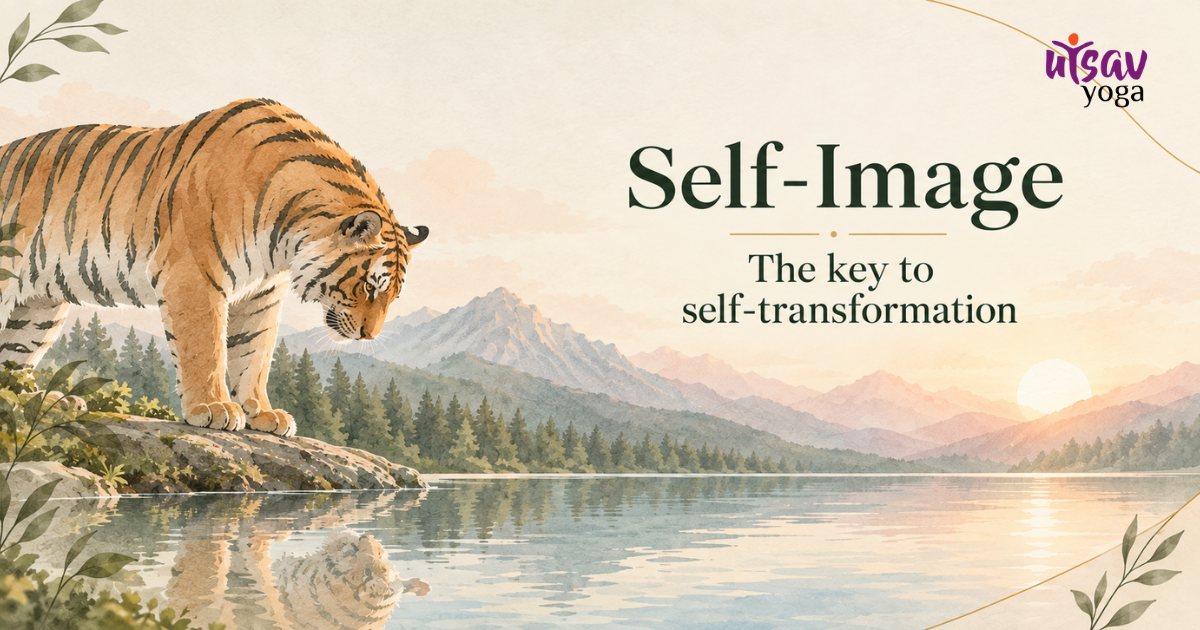
Self-Image: The Key to Self-Transformation
Let me begin with an old story. A tiger cub was separated from its family and was found by a flock of sheep. It grew up among them. It ate what the sheep ate. It moved the way they moved. It made the sounds they made. Nobody had to convince it of anything; it simply took on the image it saw reflected all around it, and it lived its whole life accordingly. One day, when it had grown, it came across a family of tigers. They recognised their own. They pulled him aside and tried to tell him: you are not a sheep, you are a tiger, you are one of us. He could not take it in. So they took him to a lake and asked him to look at his own reflection. The moment he saw the distance between what he had believed himself to be and what he actually was, he roared. Nothing about the tiger had changed that day. His strength was always there, unused. What changed was the image. And that is the whole point: what we see of ourselves influences how we behave, and the qualities we manifest are deeply connected to the self-image we carry. Where Most of Us Begin Most of us begin our journey of self-discovery with a very static version of ourselves—a version that is full of flaws and failures, lacking in character or ability. A version where, whatever we attempt, we somehow end up failing. When we carry such a negative self-image, it is very likely that the transformational programme or spiritual path we take up will struggle to create lasting change. Not necessarily because the method is wrong, but because for any transformation to happen, there has to be a certain fluidity in the way we hold our own self-image. We also need to understand that we have immense potential. Anything that we set as a meaningful and rightful goal, we have the ability to move towards—perhaps only by an inch at first, but the ability is there. So, the starting point of any self-transformation work is creating flexibility in the mind, where we are no longer bound by a rigid picture of who we are. The self-image has to change. We have to begin thinking of ourselves in a more positive and adaptable way: that we are open to learning, open to change, capable of growth, and willing to discover possibilities within ourselves that we may not have recognised before. If we can make that transition from a rigid, negative self-image to a positive and dynamic one, our ability to work towards the things we set for ourselves can change significantly. The Verdicts We Keep Repeating Often, a negative self-image is not simply a vague feeling. It takes the form of a permanent judgement we have given ourselves about our appearance, our abilities, our character or the way we relate to the world. Some people believe that they are unattractive. Some believe that they do not have a strong character. Others believe that they are incapable, unsuccessful or simply not good enough. These are not always passing thoughts. They can become verdicts—repeated so many times that we eventually stop questioning them. And a belief held that rigidly can become a significant barrier to change. Not necessarily because it is true, but because we have stopped treating it as something that can change. The moment we begin to question these conclusions, we create space for another possibility. Perhaps I can learn. Perhaps I can change. Perhaps I can become something I have never imagined myself to be. That possibility is where transformation begins. When Belief Shapes Our Experience Our expectations, beliefs and emotional states can influence the way we experience our bodies and respond to different situations. Two people can encounter similar circumstances and experience them very differently because of the beliefs and expectations they bring with them. This is one reason why our inner world deserves attention when we speak about transformation. What we believe about ourselves influences how we approach challenges, how we respond to failure, how we relate to others and how willing we are to attempt something new. Older traditions have long emphasised the relationship between the inner and outer dimensions of life. Modern research continues to explore how expectations, perception and psychological states interact with physical experience. The important insight is not that our thoughts can magically control everything that happens to us. Rather, it is that the way we understand ourselves can profoundly influence the way we live. What we believe about ourselves, and what we repeatedly feel about ourselves, can shape our behaviour, our relationships and the possibilities we are willing to pursue. We Usually Start From the Outside What happens instead is that we often begin with external steps. We start following a process, a discipline or a routine without changing the internal paradigm through which we see ourselves. We may change our habits, our appearance, our work or our daily routine, but continue to carry the same internal image. Yet lasting transformation requires us to look deeper. Our external world is often influenced by our inner world. If we want to create meaningful external change, we also need to examine what is happening within. The self-image has to shift. Our work, our appearance, the way we speak and the way we relate to others can all be influenced by the way we perceive ourselves. This does not mean that everything outside us is simply a reflection of our thoughts. Life is far more complex than that. But it does mean that the image we hold of ourselves can influence the way we engage with the world. What Yoga Points To To me, this is one of the fundamental understandings of yoga: that there is immense potential within us and that we are not as limited as the identities we often create for ourselves. The only thing required to begin is a belief—or perhaps an understanding. And I know that "belief" is a word that can be debated. But once we actually begin the process of yoga, it can move beyond belief. A realization can begin to emerge: I am not merely this body and mind. I am that which is aware of this body and mind. This shift in identification is fundamental. As long as our identity is completely tied to the body, the mind and the beliefs we have accumulated, our sense of possibility can remain limited by them. But when we begin to recognise the awareness behind our thoughts, emotions and experiences, we create a different relationship with ourselves. We begin to see that a thought is something we experience—not necessarily something we have to become. A belief is something we carry—not necessarily something we have to remain bound by. An identity is something we can examine—not necessarily something that must remain fixed forever. And once we begin living with this sense of inner fluidity, we create greater space for change. We can alter the way we see ourselves. We can alter the self-image we have been carrying. And as the self-image changes, the way we engage with our physical, emotional and external lives can begin to change as well. Transformation Begins With How We See Ourselves Self-transformation, then, begins not simply with changing what we do, but with examining who we believe ourselves to be . The tiger did not become a tiger when he looked into the lake. He discovered what had always been there. In the same way, our journey may not always be about creating something completely new. Sometimes, it is about removing the rigid images and limitations that have prevented us from recognising our own possibilities. When our self-image becomes more fluid, our possibilities become more expansive. And when we begin to see ourselves differently, we create the space to live differently. Perhaps the first step towards transformation is not asking, "How do I change myself?" but asking, "Who have I believed myself to be?" The answer to that question can become the beginning of a very different journey.
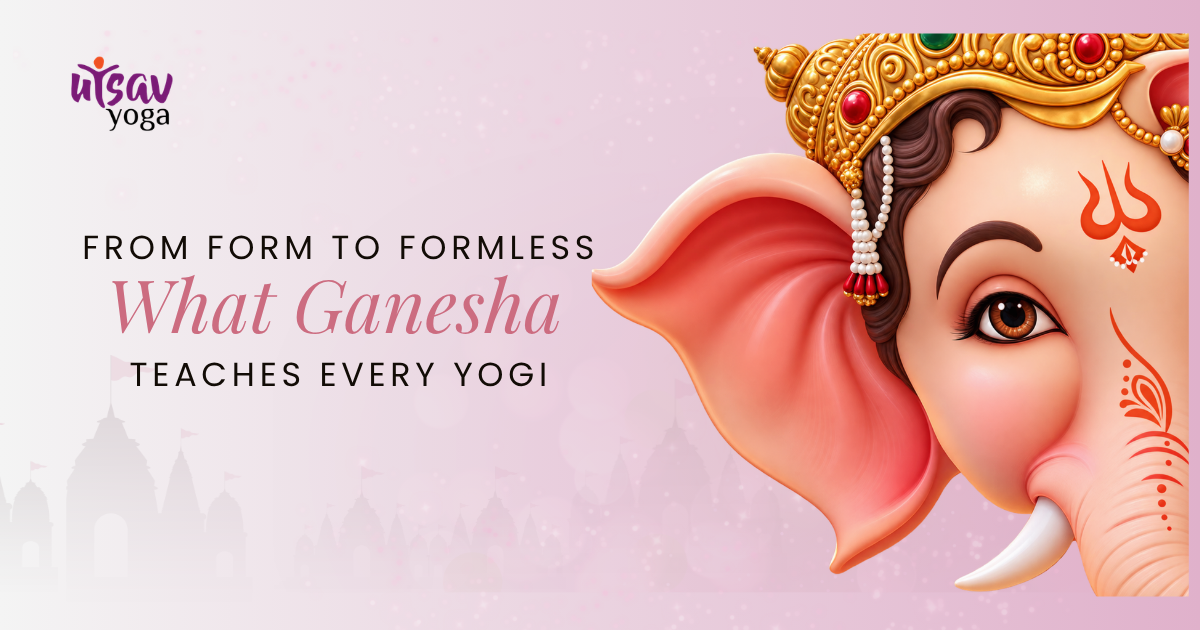
Ganesh Chaturthi: From Form to Formless | A Yogic Perspective
Ganesh Chaturthi is one of the most deeply cherished and auspicious festivals celebrated by millions of Indians, both in India and across the world. Traditionally observed during the latter part of the monsoon, the festival marks the birth of Ganesha , the beloved son of Shiva and Parvati. For many, Ganesh Chaturthi is a celebration filled with devotion, rituals, music, community, and joy. But beyond the mythology and festivities lies a profound yogic insight—one that speaks about form, devotion, surrender, ego and ultimately, freedom . The Story of Ganesha's Birth According to Hindu mythology, Ganesha was born to Parvati as a young boy. One day, while Parvati was bathing, she asked Ganesha to guard the entrance and not allow anyone to enter. When Shiva arrived, Ganesha did not recognize him and stopped him from entering. A confrontation followed, and in his anger, Shiva cut off Ganesha's head. When Parvati emerged and saw what had happened, she was devastated. As a mother, she demanded that her son be brought back to life. Shiva then instructed his attendants to bring the head of the first living being they encountered. They returned with the head of an elephant. Shiva placed the elephant's head onto Ganesha's body, and Ganesha was brought back to life. This is the familiar mythological story of the birth of Ganesha. But Ganesh Chaturthi can also be understood through another lens—the yogic perspective . The Deity We Create, Worship, and Eventually Release Every year, we create a form of Ganesha. We give that form our love. We worship it. We offer prayers, devotion, and reverence to it. We develop a relationship with the Divine through that form. And then comes Visarjan . The very form that we created and worshipped with so much love is eventually immersed in flowing water and allowed to dissolve. At first glance, this may seem like the end of the celebration. But from a yogic perspective, it carries a much deeper meaning. We create the form. We establish a relationship with the Divine through the form. We pour our devotion into the form. And finally, we learn to let go of the form. The form disappears. The formless does not. The idol may dissolve, but the devotion does not disappear. The relationship with the Divine does not disappear. What remains is something deeper than the physical form. The formless can emerge through the form. This is one of the most beautiful insights that Ganesh Chaturthi offers us. Why Do We Need a Form to Experience the Divine? For most people, relating to something completely formless is not easy. The human mind naturally looks for something it can see, understand, relate to, and love. This idea is also reflected in the Bhagavad Gita , where Arjuna asks Krishna about devotion to the formless versus devotion to a manifested form of the Divine. Krishna explains that for an embodied human being, devotion to the unmanifest and formless can be difficult. Beginning with a form can therefore become a natural and accessible entry point into the path of Bhakti . The form gives the mind something to focus on. Something to love. Something to surrender to. And Ganesha becomes a beautiful representation through which that relationship with the Divine can begin. The Deeper Lesson: Learning to Let Go of Form But there is another lesson here—perhaps one of the most important lessons for a yogi. Eventually, we have to learn to loosen our attachment to all forms . Not only the form of the deity. But also our own form. We become attached to our: Body Appearance Stature Achievements Social image Identity Opinions Roles Ego We begin to believe: “This is who I am.” But the yogic journey invites us to look beyond these changing forms. Our body changes. Our circumstances change. Our identities change. Our achievements come and go. Even the image we have of ourselves continues to evolve. The form is temporary. And learning to recognize this is an essential part of inner freedom. Celebrate the Form, But Don't Become Attached to It The yogic teaching is not that we should reject form. Quite the opposite. We can celebrate the form. We can love the form. We can worship the form. We can experience devotion through the form. But we must also learn to let go of our attachment to the form . This distinction is important. The problem is not having a body, an identity, a role, or an achievement. The problem begins when we become completely identified with them. Ganesh Chaturthi reminds us that we can love something deeply and still have the wisdom to let it go. Just as the Ganesha idol eventually returns to the elements, everything in the material world is subject to change. Why Do We Invoke Ganesha Before Auspicious Beginnings? There is a reason Ganesha is traditionally invoked before beginning something important. Whether it is a marriage, a new venture, a new project, or another significant chapter of life, Ganesha Puja is often performed at the beginning. Ganesha is traditionally associated with the removal of obstacles and auspicious beginnings. But from a yogic perspective, perhaps the deeper significance lies in the state of mind with which we begin . A ritual of invocation gives us an opportunity to pause. To become present. To establish an intention. To put aside our personal expectations. And to acknowledge that we are not entirely in control of the outcome. That shift in perspective can change the way we approach the action itself. Beginning Without Ego: The Wisdom of Karma Yoga This connects beautifully with the yogic principle of Karma Yoga. In Karma Yoga, action is not abandoned. We continue to act, work, and make a sincere effort. But we begin to loosen our attachment to the idea: “I am the doer.” Instead of placing the entire emphasis on personal achievement and ownership, we begin to see ourselves as an instrument of the Divine . We act. We make the effort. We take responsibility for our actions. But we gradually release the ego associated with doership and the expectation of a particular outcome. Perhaps this is one of the deeper intentions behind invoking Ganesha before beginning something significant: Let me begin without ego. Let me begin with the right intention. Let me be present. Let me become an instrument. And when an action begins from that state, it naturally carries a different quality. From Form to Formless Perhaps this is why Ganesh Chaturthi holds such deep significance for a yogi. The festival gives us a living reminder of a profound inner journey: From form to formless. From ego to surrender. From attachment to freedom. We create the form. We worship the form. We love the form. We pour our devotion into the form. And then, we let the form go. But what remains? The devotion. And ultimately: The Divine. What Ganesh Chaturthi Can Teach Every Yogi Ganesh Chaturthi invites us to reflect on some deeply personal questions: Can I love without becoming attached? Can I act without being consumed by the ego of doership? Can I celebrate my identity without believing that it completely defines me? Can I surrender what I cannot control? Can I see the changing forms of life while remaining connected to what is unchanging within? These are not merely philosophical questions. They are part of the yogic journey. The practice of yoga is ultimately not only about the body. It is about understanding the mind, loosening our attachments, and moving towards greater freedom. And Ganesh Chaturthi gives us a beautiful reminder of this journey. The Form Is Temporary. The Divine Remains. The Ganesha idol is created. It is loved. It is worshipped. And eventually, it dissolves into water. Yet the devotion remains. The Divine remains. The experience remains within us. Perhaps that is the deepest message of Ganesh Chaturthi: We can love the form, celebrate the form, and worship the form—while remembering that the form is not the final destination. The journey is from the form to the formless. From identification to awareness. From ego to surrender. From attachment to freedom. May Ganesha remove not only the obstacles outside us, but also the obstacles within us. May we learn to loosen our attachment to form, ego, and the sense of doership. And may we discover the formless presence that was always there. Happy Ganesh Chaturthi.
Life Is a Game: You Have to Play It
You cannot learn life simply by reading its instruction manual. And yet, most of us spend a great deal of our lives searching for that manual. We read books looking for the right strategy, the right way to live, the right goals to pursue, and the right habits to cultivate. We listen to podcasts, attend courses, seek advice, follow philosophies, and try to discover the secret formula for a good life. But life doesn't really work that way. Because life needs to be lived. Learning Can Show You the Map, But You Must Walk the Road There is immense value in reading. There is wisdom in learning from the experiences of others. There is value in having mentors, teachers and gurus who can help us navigate roads that others have travelled before us. They can show us the map. They can warn us about the difficult turns. They can tell us where others have stumbled. But they cannot walk the road for us. At some point, we have to put the book down and start walking. You Have to Step Onto the Field Think about any game you want to learn. Can you become a great footballer simply by reading books about football? Can you become a great musician by studying music theory without ever playing an instrument? Of course not. At some point, you have to step onto the field. You have to play. You have to make mistakes. You have to lose a few games. You have to discover what works for you. You have to develop your own rhythm, your own instincts, and your own way of playing. Life is no different. A teacher can prepare you for the game. A guru can illuminate the path. A mentor can share the lessons they have learned. But ultimately, you have to play your own game. And that is where life becomes truly interesting. There Is No Perfect Template for Your Life Your game has never been played before. You are unique. Your abilities are unique. Your circumstances are unique. Your relationships, experiences, choices, and challenges are unique. And, if you believe in the language of karma, even the karmic baggage you carry is uniquely yours. Existence does not believe in duplication. Which means there is no perfect template for your life. There may be principles. There may be wisdom. There may be maps created by those who came before us. But there is no shortcut that allows us to bypass our own journey. We have to walk our path. Discover Yourself While You Play Perhaps that is the whole purpose of life. Not to discover the perfect strategy before we begin, but to discover ourselves and win the game. We often think we need to understand everything before we take the first step. We want certainty before making a decision. We want guarantees before taking a risk. We want to know that the path we choose will lead to the right destination. But life rarely offers such guarantees. Sometimes, we understand the path only after we begin walking it. Sometimes, the lesson comes through the mistake. Sometimes, clarity appears only after uncertainty. And sometimes, we discover who we are by simply participating in life. Life Isn't Really About Winning or Losing Interestingly, this game is not really about winning or losing. Life is not a competition in which someone else has to lose for us to win. If we live fully, if we participate completely, and have the courage to play without constantly worrying about the outcome, then perhaps we all win. The real failure is not losing. The real failure is standing on the sidelines because we were too afraid to play. The Fear of Making the Wrong Choice We spend so much time worrying about making the wrong decision. Choosing the wrong career. Taking the wrong relationship. Making the wrong investment. Failing. Being judged. Disappointing someone. And in doing so, we sometimes forget the most fundamental responsibility we have: To live. To experience. To laugh. To love. To make mistakes. To fall. To get up. To discover. To create. To dance. To celebrate. Life cannot be experienced from the sidelines. Life Is a Mystery to Be Lived Osho once expressed this beautifully: life is not a problem to be solved; it is a mystery to be lived. Perhaps that is the shift we need to make. Stop treating life like an examination for which we must find all the correct answers. Stop looking for a perfect instruction manual. Stop waiting until we know enough to begin. Begin. Play. Experience. And allow life itself to become the teacher. Because the meaning of life is not hidden somewhere in a book. It is not a sentence waiting to be discovered. The Meaning of Life Is Created Through Living The meaning of life is created through the way we live it. It is in the dance. It is in the joy. It is in the moments of connection. It is in the courage to experience the unknown. It is in the ability to be fully present to whatever life places in front of us. We don't necessarily find meaning by standing outside life and analysing it. We find it by participating. By loving. By creating. By connecting. By experiencing. By being present. Life Is Inviting You to Dance Life is not asking us to solve the mystery. Life is inviting us to dance with it. Perhaps, when we stop trying so hard to figure life out and simply begin to live it fully, we discover what we were searching for all along. Bliss. Final Thought You don't need to know every step before you begin. You don't need a perfect plan. You don't need to know exactly where the journey will take you. You simply need the courage to step onto the field. The game is already being played. So play your own game. Live your own life. Walk your own path. And let life itself teach you how to play.
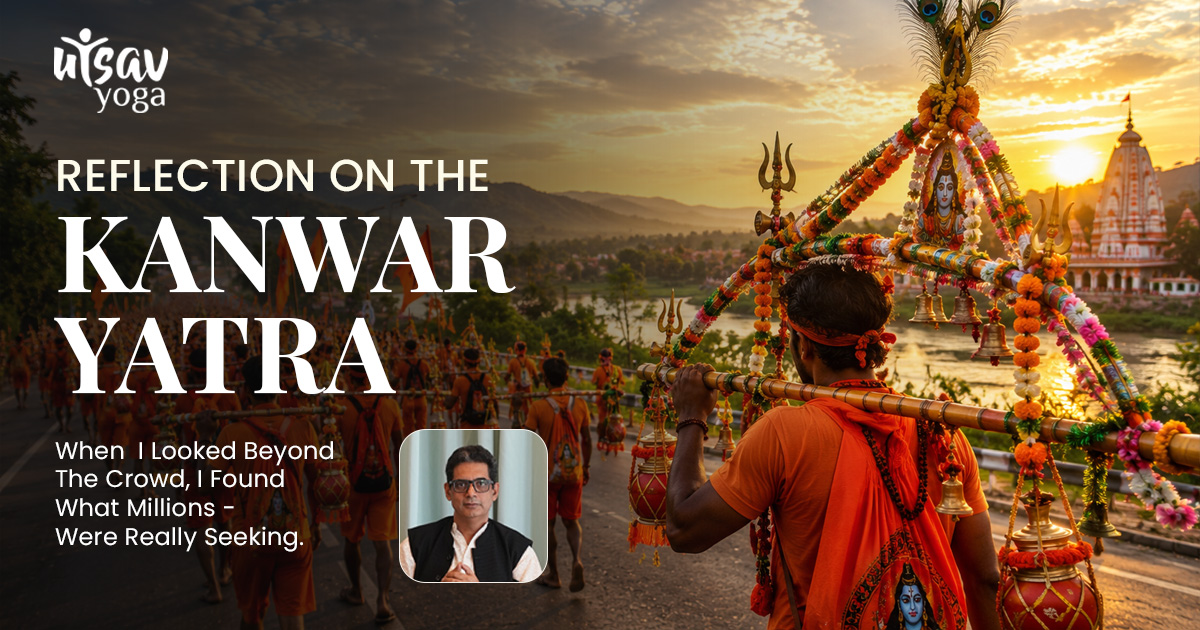
The Kanwar Yatra: When I Finally Understood What Millions Were Really Seeking
The Kanwar Yatra: When I Finally Understood What Millions Were Really Seeking Today is Sawan Shivratri — the final day of the Kanwar Yatra , when each kanwariya reaches the Shiva Linga of their choosing to pour the sacred water they have carried for days. A happy Shivratri to everyone. I grew up in Muzaffarnagar , a town that lies midway between Delhi and Haridwar. Every year during the holy month of Sawan, our roads are transformed into rivers of saffron. Thousands — sometimes millions — of Shiva devotees, known as Kanwariyas, walked toward Haridwar to collect sacred Ganga water, carrying it back to their villages and temples to offer it upon the Shiva Linga. As a child, I watched this annual pilgrimage with curiosity. Why would people walk hundreds of kilometers carrying water? What compelled them to leave their homes, endure physical hardship, and devote days to what seemed like a repetitive ritual? Like many who observe traditions from the outside, I misunderstood it. I assumed it was an inconvenience — a public nuisance that blocked roads and disrupted everyday life. I couldn't see the deeper purpose behind it. It took me many years, and my own journey into yoga and meditation, to understand what I was really witnessing. Today, I no longer see the Kanwar Yatra as merely a religious procession. I see it as one of the world's largest collective meditations. The Power of Walking Together Lord Shiva is revered as the Adiyogi — the first yogi, the source from whom the science of yoga emerged. Contemplative traditions have always recognized something we are still learning to appreciate: human consciousness is deeply shaped by collective energy. When one person meditates, transformation happens within. When millions walk with the same intention, chant the same name, and move with the same devotion, something far greater unfolds. The individual begins to dissolve into the collective. Walking itself becomes meditation, the chanting becomes breath awareness, and the exhaustion becomes surrender. The destination becomes secondary, and the journey becomes the practice. A Festival of Seva What has always fascinated me is that the Kanwar Yatra is not only about the pilgrims — it transforms everyone it touches. Entire towns and villages along the route spontaneously organize food stalls, medical camps, resting places, and drinking-water facilities. Strangers serve strangers without expecting anything in return. For those offering service, it becomes an opportunity to practice seva — selfless action. For those walking, every act of kindness becomes a reminder that they are being carried not just by their own determination, but by the goodwill of an entire community. It is extraordinary how a single spiritual movement opens millions of hearts at once. Why Sawan Feels Different There is perhaps no better season for such a pilgrimage. The scorching heat of summer has passed. The monsoon rains cool the earth, the air turns fragrant, and nature itself seems renewed. Walking through rain-soaked fields, listening to devotional chants echo across highways, and witnessing communities come alive with generosity creates an atmosphere that is difficult to explain unless one has lived it. The entire journey carries a sense of celebration — devotion expressed through movement. Beyond Ritual From the outside, one may only see crowds, traffic, and inconvenience. From within, it is something entirely different. The sacred Ganga water is more than water; it becomes a symbol of purification. The act of carrying it over long distances is an act of discipline. Pouring it over the Shiva Linga is an offering — not merely of water, but of one's effort, ego, and devotion. The ritual is only the visible expression; the real transformation happens within the pilgrim. A New Understanding Looking back, I realize how easy it is to judge traditions before we understand them. Many of our ancient practices were never designed merely as rituals. They were carefully crafted experiences that transformed the mind, body, and spirit while strengthening the bonds of community. The Kanwar Yatra is one such living tradition. Today, when I see those endless streams of saffron-clad devotees, I no longer see chaos. I see courage. I see discipline. I see community. I see collective meditation unfolding across hundreds of kilometers. And perhaps, one day, I hope to walk that path myself — not merely as an observer, but as a participant. Not because tradition demands it, but because I now understand what it truly offers. Sometimes the greatest journeys are not about reaching a temple. They are about discovering the sacred space within ourselves.


